
Cold Plunge or Float Tank for Anxiety? How Each One Works and Who It Suits
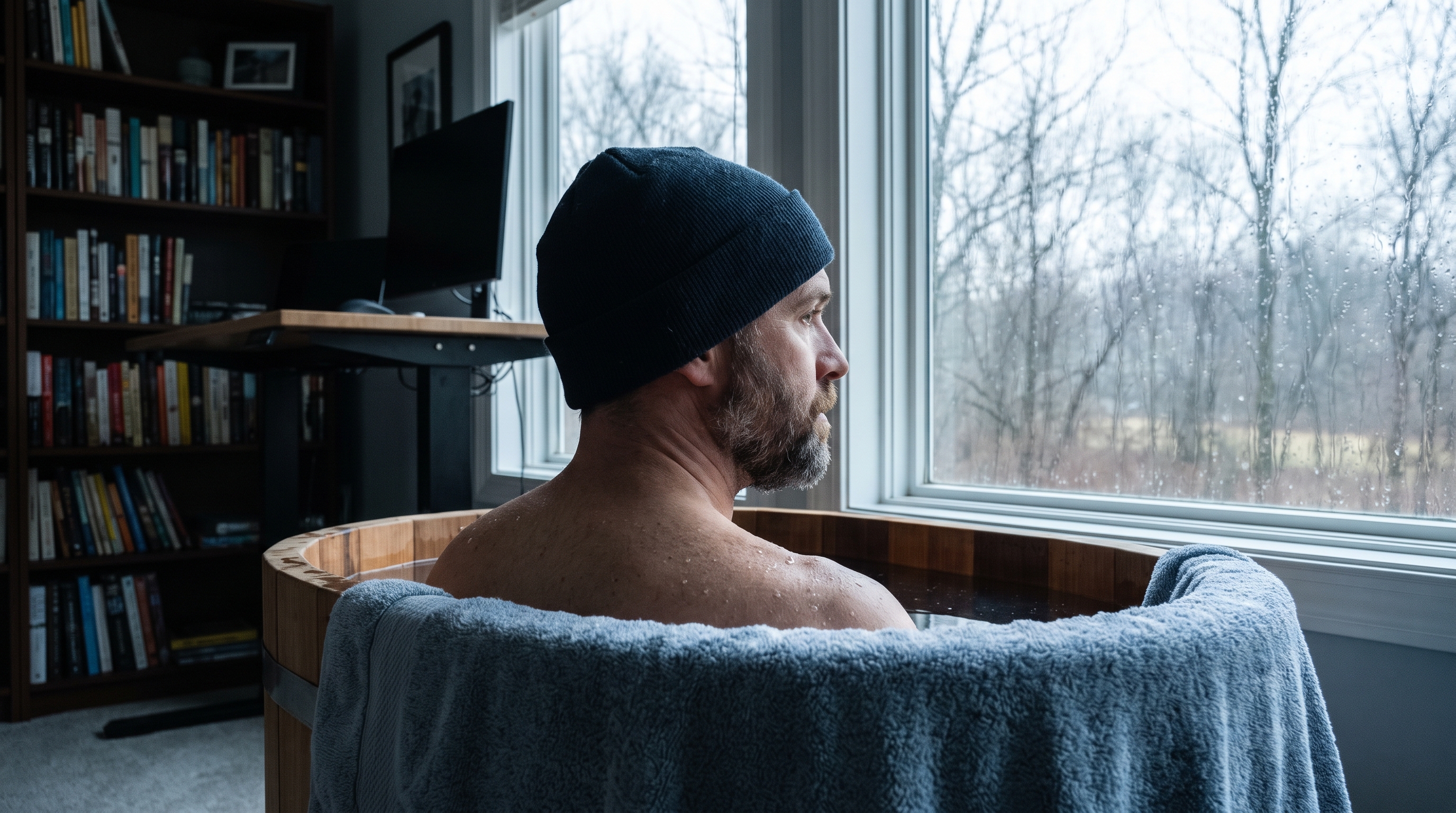
Ice Water or Silent Float: Two Very Different Roads to Calm
Anxiety often feels like a motor that will not switch off. Your shoulders creep up, your thoughts loop and sleep comes late. So when friends rave about cold plunges or float tanks, it is natural to wonder whether either one could help.
They sit at opposite ends of the spectrum. A cold plunge is a short, sharp shock. A float tank is long, warm and quiet. Both claim to calm the nervous system, but they do it in very different ways, and they suit different people.
First, an important point. Therapy, and medication when needed, remain the treatments with the strongest evidence for anxiety disorders. Body-based practices like these are add-ons. They can help with the physical side of stress, such as a racing heart and tight muscles, but they are not a substitute for care when anxiety is running your life.
What Happens in a Cold Plunge
Stepping into very cold water sets off an instant reaction called the cold shock response. You gasp, your heart races and your breathing speeds up. In other words, the plunge triggers a burst of the same fight or flight system that anxiety does.
Fans say that is the whole point. By choosing a controlled stress and breathing slowly through it, you practice staying steady while your body is on alert. Over time, many people report that ordinary stress feels easier to ride out. Scientists call this kind of small, planned stress hormesis, though research on cold plunges for anxiety is still limited.
Cold water also raises the brain chemical norepinephrine, which affects alertness and mood. One often quoted 2000 study in the European Journal of Applied Physiology found levels rose by about 530 percent. Keep the details in mind, though. Those volunteers sat in 57°F water for a full hour in a lab, far longer than any home plunge. Splashing cold water on the face can also slow the heart, through a reflex that involves the vagus nerve, which may explain why some people feel calm afterward.
Cold plunges carry real risks. The gasp reflex can cause you to inhale water, and the sudden jump in heart rate and blood pressure can be dangerous for people with heart disease. Never plunge alone or after drinking alcohol.
What Happens in a Float Tank
A float tank, sometimes called flotation-REST, is a pod or small room with about a foot of water mixed with hundreds of pounds of Epsom salt. The salt makes you float without effort. The water is kept near skin temperature, and the room is dark and quiet. For an hour or so, your senses have very little to process.
For an overloaded mind, that can feel like a reset. Research is small but encouraging. In a 2018 study published in PLOS ONE, 50 people with anxiety-related conditions did a single one-hour float. On average, their anxiety dropped noticeably and their mood improved right after the session. Some earlier studies also suggest stress hormones may fall during floating, but those studies were small.
You may hear that the salt delivers magnesium through your skin. There is little evidence for that, so think of the salt as what makes you float, not as a supplement.
Floating is low risk for most people. Skip it with open cuts, uncontrolled seizures or if being in a small dark space would panic you. Most centers let you keep the lid open or the light on.
How to Choose
Neither option wins outright. They are different tools.
A cold plunge is active and bracing. It challenges your system and may suit people whose anxiety comes with low energy or who like a physical challenge. A float tank is passive and soothing. It may suit people who feel overstimulated, wired and worn out.
Think of it as the difference between a hard run and a slow evening stretch. Some people use both on different days. If you love the cold, the sauna and plunge combination known as contrast therapy is another option to explore. Whatever you try, notice how you feel in the hours afterward, not just in the moment.
You can find both on Live Well Map under cold plunge and float therapy providers.
Before You Book
- Check with your doctor first. This matters most for cold plunges if you have heart disease, high blood pressure, Raynaud's or are pregnant.
- Start small. For a first cold plunge, 30 to 60 seconds in water that is cool, not icy, is plenty. A first float is usually 60 minutes, and you can get out whenever you like.
- Choose a clean, well-run center. Ask how the water is filtered and cleaned, and whether staff stay nearby during cold sessions.
- Keep your main care going. If anxiety is affecting work, sleep or relationships, talk with a therapist. These practices work best as part of a plan.
Looking for new ways to manage anxiety is a healthy step. Try one option with care, track how it helps, and lean on a practitioner who can help you put the pieces together.
Find a Practitioner Who Gets It
Mental health is more than therapy. Find practitioners who understand the mind-body connection.
Search DirectoryAre You a Practitioner?
List your practice on Live Well Map and reach patients searching for whole-person care, across traditional, alternative, and progressive approaches.
List Your PracticeStay Connected
Get insights on holistic mental wellness delivered to your inbox.