
Is Yoga Good for Back Pain? What the Research Says
A Common Pain, a Common Question
Back pain is one of the most common health complaints there is. Most adults have it at some point. For many, it comes and goes. For some, it lingers for months and wears down their mood, sleep and work.
When back pain will not go away, people often hear the same advice from friends: "Have you tried yoga?" It is a fair question. Yoga is everywhere, it is fairly low cost, and many people swear by it. But does it really help, and is it safe for a sore back?
Here is what the research and medical guidelines say, plus practical advice on choosing a class and staying safe.
What the Medical Guidelines Say
In 2017, the American College of Physicians published a guideline on treating low back pain. For chronic low back pain, meaning pain that lasts more than 12 weeks, it recommends that doctors and patients first try non-drug treatments. Yoga is on that list, along with exercise, tai chi, mindfulness-based stress reduction, acupuncture, spinal manipulation and others.
The National Center for Complementary and Integrative Health, part of the NIH, also reports that yoga may help with low back pain. A 2022 Cochrane review, which looked at many studies, found that yoga may bring small improvements in pain and in back-related function compared with no exercise, and about the same results as other kinds of exercise.
In plain words: yoga is a reasonable, evidence-supported option for many people with ongoing low back pain. The gains in studies are modest, it is not a cure, and it is not better than other good exercise. It is one solid choice among several, and the best one is often the one you enjoy enough to keep doing.
Why Yoga Might Help
Researchers are still learning exactly why yoga helps some people with back pain. A few likely reasons:
- Gentle strength. Many poses build strength in the muscles that support the spine, including the hips, back and abdomen.
- Movement without fear. People in pain often stop moving, which can make stiffness and weakness worse. Yoga offers a safe, guided way to move again.
- Flexibility. Tight hamstrings and hips can add strain to the low back. Gentle stretching may ease it.
- Breathing and relaxation. Pain and stress feed each other. Slow breathing and relaxation can calm the nervous system and change how pain feels.
- Body awareness. Paying close attention to posture and movement can help people notice habits that strain their backs.
Choosing the Right Kind of Class
Not all yoga is the same. For back pain, the type of class and the skill of the teacher matter a lot. Look for:
- Gentle, beginner, hatha or therapeutic yoga. These classes move slowly and give time to learn each pose.
- Small classes or private sessions. A teacher who can see you clearly can help you adjust.
- Teachers with extra training. Some yoga teachers have training in working with injuries or chronic pain. Some are also physical therapists. Ask.
- Props. Blocks, straps, bolsters and chairs make poses easier and safer. A good studio uses them often.
Be careful with fast-paced power or vinyasa classes, very hot rooms, and classes that push deep backbends or twists right away. These can be fine later, but they are not the best place to start with a sore back.
Moves to Approach With Care
Yoga is generally safe, but some poses can strain a sore back if done too far or too fast. Approach these with care, and only within a comfortable range:
- Deep forward folds, especially with straight legs. Bend your knees.
- Deep twists, especially combined with bending forward.
- Deep backbends, such as wheel pose.
- Headstands and shoulder stands, which put weight on the neck.
If you have osteoporosis, a herniated disc, spinal stenosis or a past spine surgery, ask your doctor or physical therapist which movements to avoid. Some people with osteoporosis, for example, are advised to limit deep forward bending and twisting of the spine.
A good rule: you should feel a stretch or effort, not sharp, shooting or worsening pain. If a pose hurts, come out of it gently and tell the teacher.
When to See a Doctor First
Most back pain is not caused by a serious problem. Still, some symptoms need medical care right away. See a doctor before trying yoga, or go to urgent care or the emergency room, if you have back pain with:
- Numbness in the groin or inner thighs, or new trouble controlling your bladder or bowels.
- Weakness in the legs that is getting worse.
- Fever, or a history of cancer.
- Pain after a fall or injury.
- Unexplained weight loss.
- Pain that wakes you up at night and does not ease with rest or changing position.
It is also wise to see a doctor or physical therapist if your pain has lasted more than a few weeks, is getting worse, or spreads down your leg. They can check what is going on and help you choose the right kind of movement.
Making Yoga Part of Your Week
Studies on yoga for back pain usually involve classes once or twice a week for about three months, often with a short home practice too. Benefits build over time. A few ideas to help:
- Be consistent. Two gentle classes a week will likely help more than one hard class now and then.
- Practice a little at home. Ask your teacher for three or four poses you can do safely on your own for ten minutes.
- Keep moving between classes. Walking is great for most people with back pain.
- Track how you feel. Notice your pain, sleep and daily activity over weeks, not days.
- Combine approaches. Many people do best with yoga plus physical therapy, walking, or other care from their doctor.
Gentle Poses Teachers Often Use
Every body is different, and a teacher or physical therapist should guide you. Still, it helps to know the kinds of gentle poses often used in back-friendly classes, so you know what to expect:
- Cat and cow. On hands and knees, you slowly round and then gently arch your back with the breath. It warms up the spine in a small, controlled way.
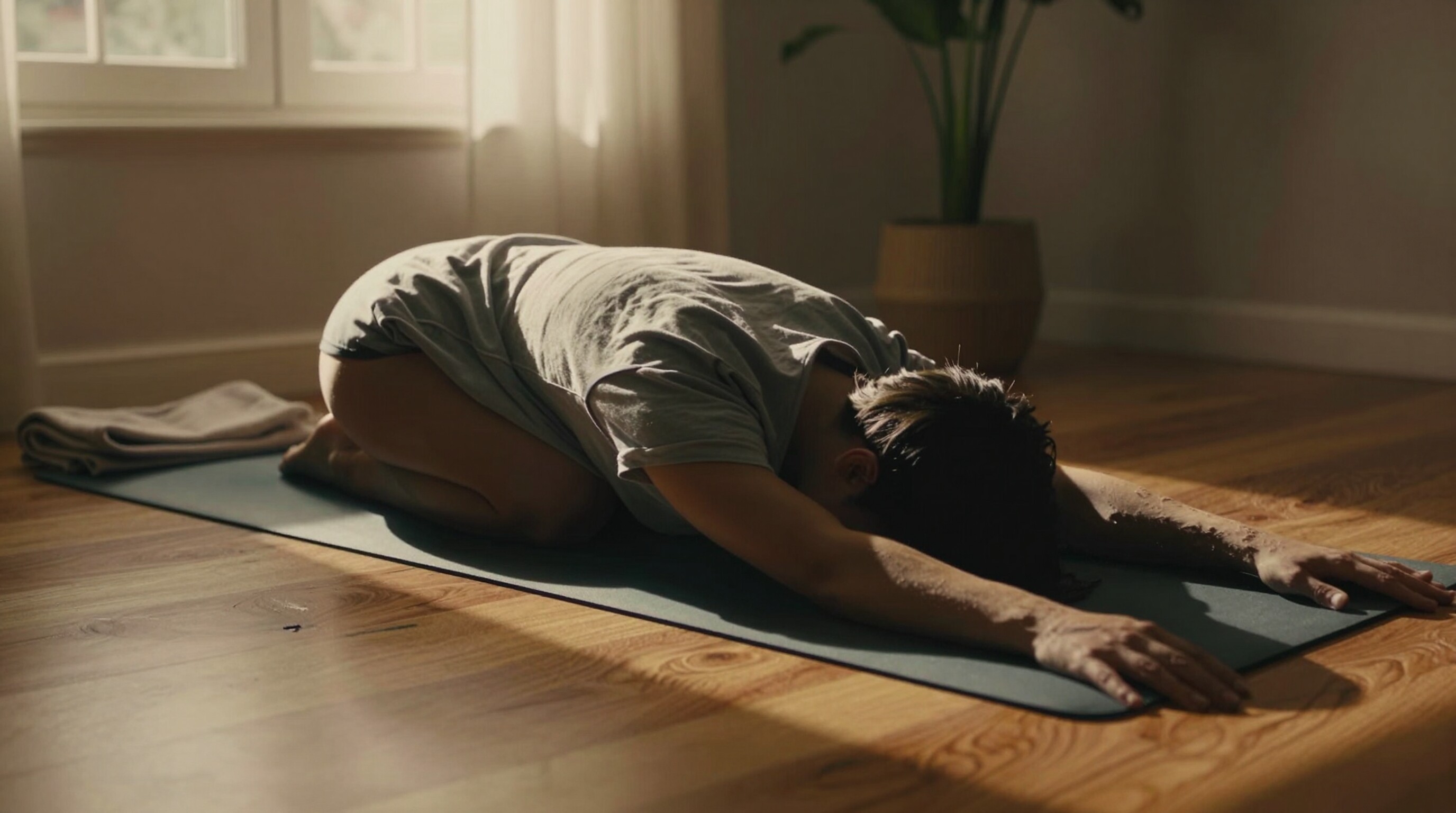
- Child's pose. Kneeling, you sit back toward your heels and rest your chest and forehead forward, often on a cushion. Many people find it calming.
- Bridge. Lying on your back with knees bent, you lift your hips a little. It strengthens the glutes and back of the legs.
- Supported knees to chest. Lying on your back, you hug one or both knees gently.
- Gentle supine twist. Lying on your back, you let both knees fall slowly to one side, only as far as is comfortable.
- Mountain pose and gentle standing work. Standing tall with attention to posture and balance.
Teachers often add pillows, blocks or a chair so you can do these poses without strain. If a pose bothers your back, there is almost always a gentler version.
Yoga, Pilates or Physical Therapy?
People with back pain often wonder which to choose. The honest answer is that each can help, and many people use more than one.
Physical therapy is medical care from a licensed professional. A physical therapist examines you, finds what is driving your pain and builds a plan just for you. If your pain is new, severe, getting worse or spreads down your leg, physical therapy is usually the best place to start. In many states you can see a physical therapist without a doctor's referral, though insurance rules vary.
Yoga offers gentle strength, flexibility, breathing and relaxation in a group setting. It is a good fit for longer-lasting, stable back pain, especially once a doctor or physical therapist has said exercise is safe.
Pilates focuses on core strength, control and posture. Many physical therapists use pilates-based exercises, and some people with back pain find pilates easier to follow because the movements are small and precise.
Research suggests that, for chronic low back pain, staying active matters more than the exact type of exercise. Choose what you enjoy, what you can afford and what you will keep doing. If you are unsure, ask your physical therapist for a recommendation, and let your yoga or pilates teacher know what your therapist said.
What You Can Do Today
Here are some practical steps to get started:
- Check for warning signs. If you have any of the symptoms above, see a doctor first.
- Talk to your doctor or physical therapist. Ask if yoga is a good fit and which moves to avoid.
- Find a gentle or beginner class near you. Look for small classes and teachers with experience in back pain.
- Tell the teacher about your back before class begins.
- Use props and go slowly. There is no prize for going deepest.
- Give it time. Plan for at least eight to twelve weeks of regular practice before you judge the results.
Back pain can make life feel small. For many people, gentle yoga is one good way to move again with more confidence and less fear.
To find a class, browse yoga, pilates and dance studios on Live Well Map or search the directory by your city or zip code.
This article is for informational and educational purposes only and does not constitute medical advice. Check with your doctor before starting a new exercise program, especially if you have back pain or another health condition.
Find a Yoga Studio Near You
Browse yoga, pilates and dance studios near you and look for gentle, beginner or therapeutic yoga classes.
Search StudiosAre You a Practitioner?
List your practice on Live Well Map and reach patients searching for whole-person care, across traditional, alternative, and progressive approaches.
List Your PracticeStay Connected
Get insights on holistic mental wellness delivered to your inbox.