
Martial Arts for Kids: What to Look For in a School
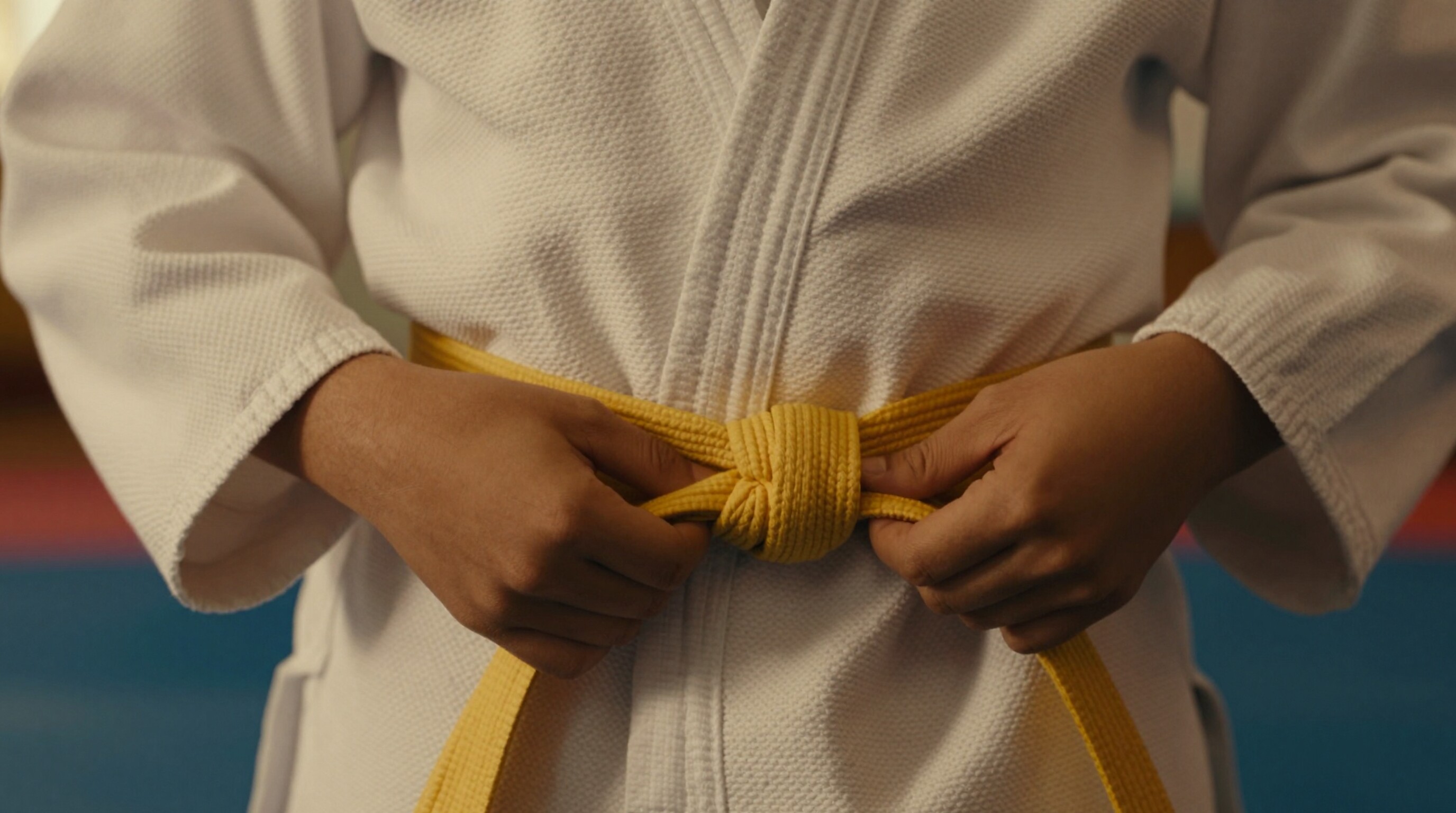
More Than Kicks and Belts
Lots of parents start looking at martial arts for the same reasons. A child has energy to burn. A child is shy and needs confidence. A child does not love team sports but still needs to move. Or a child simply saw a movie and wants to try.
A good martial arts school can give kids a lot: fitness, coordination, respect for others, and the quiet pride of earning each new belt. A poor one can teach bad habits, push kids too hard, or fail to keep them safe. The difference is not always obvious from a website.
This guide will help you understand the main styles, know what to watch for in a trial class, and ask the questions that matter most for your child's safety.
Why Martial Arts Can Be Good for Kids
The U.S. Physical Activity Guidelines recommend that children and teens ages 6 to 17 get at least 60 minutes of moderate to vigorous activity every day, including activities that strengthen muscles and bones. Martial arts can be a fun part of that, with running, jumping, kicking and body-weight strength work built into each class.
Beyond fitness, many parents notice changes in focus, self-control and confidence. Classes follow clear routines: bowing in, listening to the instructor, practicing a skill many times, and showing respect to partners. Children learn that effort leads to progress, one stripe or belt at a time.
Research on martial arts and children's behavior is still growing, and studies vary in quality. So it is fair to say that the benefits depend a lot on the school and the teacher. A calm, skilled instructor who cares about every child matters more than the style.
Understanding the Main Styles
You will see many names. Here are some of the most common styles taught to children in the U.S.:
- Karate. A striking art from Japan, with punches, kicks, blocks and practiced patterns called kata. Very structured, with a clear belt system.
- Taekwondo. A Korean art known for high, fast kicks. It is an Olympic sport, and many schools focus on forms, sparring and board breaking.
- Judo. A Japanese grappling art focused on throws and holds. Students learn how to fall safely early on. Also an Olympic sport.
- Brazilian jiu-jitsu. A grappling art done mostly on the ground, using leverage instead of strength. Great for problem solving and close teamwork.
- Kung fu and other traditional arts. Wide variety in style, often with forms, flexibility and history.
- Kickboxing and boxing. Some gyms run youth programs. Ask carefully about rules for contact and headgear.
Striking arts teach kicks and punches. Grappling arts teach throws, holds and escapes. Both can build confidence. Some families like grappling because there is less striking, while others like the clear structure of karate or taekwondo. Try a class or two before you decide.
What to Watch in a Trial Class
Most schools offer a free or low-cost trial class. Go, and stay to watch. Look for these signs of a good program:
- Classes grouped by age. Young children, school-age kids and teens learn differently. A 5-year-old should not be sparring with a 12-year-old.
- Enough adults on the mat. Ask how many students each instructor teaches. Too many kids per adult makes it hard to keep everyone safe.
- A safe warm-up. Kids should be warmed up before kicks, jumps or stretches.
- Clear, kind teaching. Instructors explain, show and correct with patience. Firm is fine. Yelling, mocking or shaming is not.
- Controlled contact. Sparring for children should be light, supervised and with proper gear. Ask when contact starts and what the rules are.
- Happy, busy kids. Children should be moving most of the time, not standing in long lines.
- A clean space. Mats should be clean, and the school should have a first aid kit and a plan for injuries.
Pay attention to your child, too. Did they smile? Did they want to go back? That matters a lot.
Safety Questions Every Parent Should Ask
These questions are not rude. A good school will be glad you asked:
- "Do all your instructors pass background checks?" This should be a firm yes for anyone who works with children.
- "What abuse-prevention training do your staff have?" Many national sports organizations, including those for Olympic sports such as taekwondo and judo, require training from the U.S. Center for SafeSport. Others use their own programs. Ask what this school uses.
- "Can parents watch class?" Open viewing is a good sign. Be cautious of programs that do not allow parents to watch.
- "Are adults ever alone with one child?" Good programs keep interactions where others can see and hear them, including private lessons.
- "How do you handle head injuries?" The CDC's HEADS UP program teaches that a child with a possible concussion should stop playing right away and not return until a health care provider says it is okay.
- "Is anyone trained in first aid and CPR?"
Understanding Costs and Contracts
Martial arts schools often charge a monthly fee. Some also charge for uniforms, gear, belt testing and tournaments. Before you sign, ask:
- What is the total monthly cost, including any required gear?
- How much does each belt test cost, and how often are tests?
- Is there a long-term contract, and how do you cancel?
- Are there sibling or family discounts?
- Can we try a month before committing to a longer plan?
Be careful of pressure to sign a multi-year contract on the first visit, or to join a costly "black belt club" right away. A good school will give you time to decide.
The Right Age to Start, and Signs It Is Working
Many schools take children as young as four or five. Classes for this age should look more like guided play than serious training: games that build balance, coordination, listening skills and a little discipline. Short classes, often 30 to 45 minutes, work best for young children.
From about six or seven, most kids are ready for more structure, more technique and longer classes. Teens can often train with more intensity and may join older groups or competition teams. There is no single right age. The best time to start is when your child is curious and the school has a class designed for kids their age.
After a few months, you may notice signs that the school is a good fit:
- Your child looks forward to class and talks about what they learned.
- They show more confidence trying new things, even outside the dojo.
- They can follow directions and wait their turn a little better.
- They are proud of small steps, such as a new stripe on a belt, not only big tests.
- They treat classmates with respect and talk about the instructor in a positive way.
Watch for signs of a poor fit too. If your child dreads class, comes home hurt often, seems afraid of an instructor, or feels pushed to fight harder than they want, talk with the school. If things do not improve, it is fine to leave.
Kids With Special Needs
Many families of children with ADHD, autism, anxiety or physical disabilities look into martial arts. The routine, clear rules and one-step-at-a-time progress can suit some of these children well. Some schools offer adaptive classes or private lessons.
If your child has special needs, ask the school directly about their experience. Good questions include: "Have you taught children with needs like my child's?" "How do you handle a child who needs a break?" "Can we start with a private lesson so my child can learn the space?" A school that listens and is willing to adapt is a good sign.
Talk with your child's doctor or therapist as well. They may have ideas for what to look for and which activities fit your child's goals. Martial arts can be a great addition to a child's care plan, but it does not replace medical or therapy services your child already receives.
Every child is different. The goal is a place where your child feels safe, challenged and proud, whatever their pace.
What You Can Do Today
Here is a simple plan to find the right school:
- Talk with your child. Ask what sounds fun to them: kicking, throwing, forms or a little of everything.
- List two or three schools close to home. Short drives make weekly classes easier for the whole family.
- Book trial classes. Try more than one style if you can.
- Stay and watch the whole class. Use the checklist above.
- Ask the safety questions. Write down the answers so you can compare.
- Read the contract at home. Do not sign on the spot.
- Check with your pediatrician if needed. Especially if your child has asthma, a heart condition, a past concussion or joint problems.
The right martial arts school can become a second home for your child, a place where they learn to try hard, fall down and get back up. Take your time choosing. Your child is worth it.
To compare options, browse sports clubs and martial arts schools on Live Well Map or search the directory by your city or zip code.
This article is for informational and educational purposes only and does not constitute medical advice. Check with your child's doctor before starting a new sport if your child has a health condition.
Find a Martial Arts School Near You
Compare martial arts schools and sports clubs in your area, then book a trial class for your child.
Search Martial Arts SchoolsAre You a Practitioner?
List your practice on Live Well Map and reach patients searching for whole-person care, across traditional, alternative, and progressive approaches.
List Your PracticeStay Connected
Get insights on holistic mental wellness delivered to your inbox.