
Strength Training After 50: How to Start Safely
Strength Is for Every Age
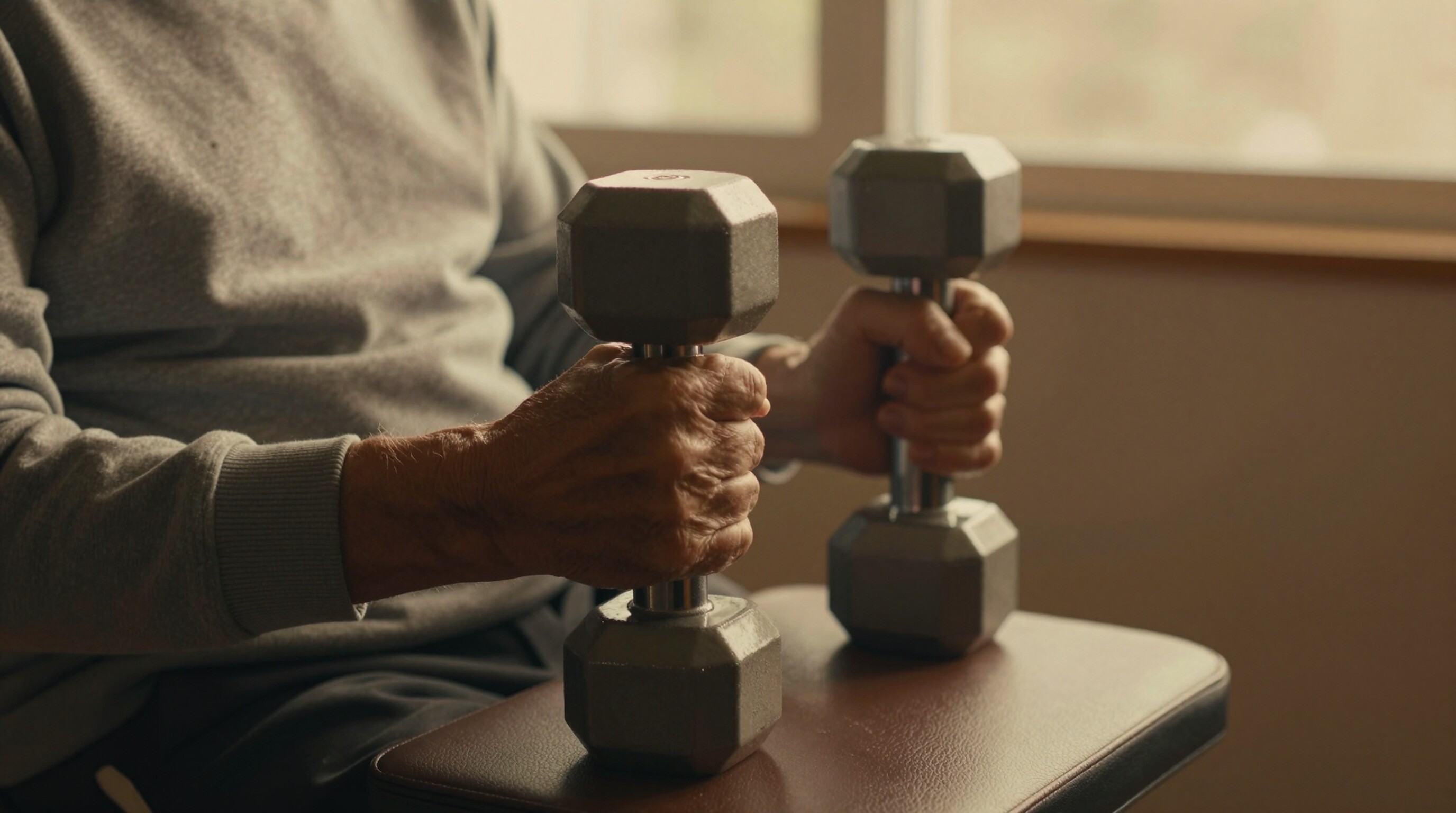
Many people think of lifting weights as something for young athletes or bodybuilders. In truth, strength training may matter even more as we get older. It helps you carry groceries, climb stairs, get up off the floor, play with grandchildren and stay independent for years to come.
If you are over 50 and have never lifted a weight, or have not in decades, you are in good company. And you have plenty of reason to start. Muscles respond to training at any age. You may be surprised at how quickly you feel the difference.
This guide explains why strength matters, how to start safely, and how to find the right place and people to help.
What Happens to Muscle as We Age
Starting around age 30, most people slowly lose muscle mass and strength if they do not use them. Doctors call the more serious form of this sarcopenia. Bones can thin as well, especially in women after menopause. Balance and reaction time can also decline.
These changes are common, but they are not fixed. Research has shown again and again that older adults who do regular strength training gain muscle and strength, even people in their 80s and 90s.
The CDC reports that about one in four adults age 65 and older falls each year, and falls are the leading cause of injury among older adults. Strength and balance training are among the most effective ways to lower that risk. The CDC's fall prevention guidance recommends exercises that build leg strength and improve balance.
What the Guidelines Recommend
The Physical Activity Guidelines for Americans, from the U.S. Department of Health and Human Services, recommend that adults:
- Do muscle-strengthening activities that work all major muscle groups on at least two days a week.
- Get at least 150 minutes a week of moderate aerobic activity, such as brisk walking, or 75 minutes of vigorous activity.
For older adults, the guidelines add balance training and suggest combining strength, balance and aerobic work. They also say that if you cannot meet these goals because of a health condition, you should be as active as your abilities allow. Any amount helps.
Strength training also supports heart health, blood sugar control, bone strength, sleep and mood. The CDC notes that it can ease the symptoms of chronic conditions such as arthritis, and lower the risk of type 2 diabetes.
Before You Begin
Talk with your doctor before you start, especially if you have heart disease, high blood pressure, diabetes, osteoporosis, arthritis, a joint replacement, or recent surgery. Most people can strength train safely, and your doctor can tell you about any moves to avoid. For example, people with osteoporosis are often advised to avoid deep forward bending and twisting of the spine under load.
Also ask about your medications. Some blood pressure and heart medicines change how your heart rate responds to exercise. That does not mean you cannot train. It means you may need to judge effort by how you feel, not by your pulse.
If you have had an injury or surgery, a physical therapist can be a great first stop. They can build a plan for your body and then help you move on to a gym or trainer.
A Simple Way to Start
You do not need heavy weights or a fancy gym. You need a few basic movements done with good form, two or three times a week. A beginner session might include:
- Sit to stand. Stand up from a sturdy chair without using your hands, then sit back down slowly. Builds leg strength for daily life.
- Wall or counter push-ups. Push away from a wall or kitchen counter. Strengthens chest, shoulders and arms.
- Rows. Pull a resistance band or a light weight toward your body. Strengthens the upper back and helps posture.
- Step-ups. Step onto a low, stable step and back down, holding a rail if needed.
- Carries. Walk while holding a light weight in each hand. Builds grip, core and balance.
- Balance practice. Stand on one foot near a counter for support. Work up to longer holds.
Start with one or two sets of 8 to 12 repetitions. Choose a weight or band that lets you finish with good form while the last few reps feel challenging but not straining. Breathe out as you push or lift. Do not hold your breath.
Increase slowly. When a set of 12 feels easy for two sessions in a row, add a little weight or another set. Rest at least one day between sessions for the same muscles.
Where to Train
You can start at home, but many people find it easier to stay consistent with a place and a group. Options include:
- Community and recreation centers, which often have classes designed for older adults.
- Gyms with beginner orientations and staff who can show you the machines. Machines guide your movement and can be a good place to start.
- Small group strength classes, where a coach watches your form and the group keeps you going.
- Personal trainers with experience working with older adults. Look for a certification from a well-known, accredited organization.
- Evidence-based programs for older adults, which some health systems, senior centers and Area Agencies on Aging offer at low or no cost.
When you visit a gym, notice whether you see people your age and whether the staff are patient and welcoming. You should feel comfortable asking questions.
Warning Signs to Stop
Muscle soreness a day or two after a new workout is normal. These are not, and mean you should stop and get medical help:
- Chest pain, pressure or tightness.
- Severe shortness of breath.
- Dizziness or feeling faint.
- Sudden, sharp joint pain or swelling.
- An irregular or racing heartbeat.
If you have chest pain or think you may be having a heart attack or stroke, call 911.
Common Worries, Honest Answers
Many people over 50 hold back from strength training because of a few common worries. Here are honest answers to some of them.
"I'm afraid I'll get hurt." Any activity carries some risk, but strength training done with good form and gradual progress is generally safe for older adults, and it lowers the risk of falls and injuries in daily life. Most problems come from lifting too much too soon or using poor form. Starting light, learning from a qualified instructor, and progressing slowly addresses both.
"I have arthritis." The CDC notes that physical activity, including muscle strengthening, can reduce arthritis pain and improve function. Strong muscles help support and protect joints. Choose movements that feel comfortable, avoid painful ranges, and talk with your doctor or a physical therapist about what fits your joints.
"I don't want to get bulky." Building large muscles takes years of heavy, focused training and plenty of extra food. What most people over 50 gain is strength, better posture, firmer muscle tone and more energy.
"I'm too old to start." Studies have shown strength gains in people in their 80s and 90s, including residents of nursing homes. Your muscles still respond to training.
"I don't know what I'm doing." That is fine. Most gyms and community centers offer orientations, and many trainers specialize in older adults. A few sessions with a good teacher can give you the confidence to keep going on your own.
Protein, Rest and Recovery
Training is only part of the picture. Your body builds strength while you rest and recover, and it needs the right fuel to do it.
- Eat enough protein. Protein helps muscles repair and grow. Good sources include fish, poultry, eggs, dairy, beans, lentils, tofu and nuts. Many older adults eat less than they think. If you have kidney disease or another condition that affects your diet, ask your doctor or a registered dietitian how much protein is right for you.
- Spread protein through the day. Including some at breakfast, lunch and dinner is often easier than one large serving at night.
- Sleep well. Most adults need seven or more hours of sleep. Good sleep supports recovery, mood and energy for your next workout.
- Drink water. Thirst can fade with age, so sip water before, during and after exercise.
- Take rest days. Rest at least a day between sessions that work the same muscles. Light walking on rest days is fine and often helps soreness.
Be patient with yourself. Many people notice that daily tasks feel easier within a few weeks, and real strength gains build over a few months of steady practice. The goal is not a perfect workout. It is a habit you can keep for years.
What You Can Do Today
You can start building strength this week:
- Call your doctor's office. Ask if there is anything you should avoid, and whether a physical therapy visit makes sense first.
- Try five sit-to-stands from a chair. Notice how it feels. That is your starting point.
- Pick two days for strength. Put them on your calendar like appointments.
- Visit a gym or community center near you. Ask about beginner orientations and older adult classes.
- Find a buddy. A friend or spouse makes it more fun and easier to keep going.
- Track one thing. How many sit-to-stands you can do, or how long you can balance on one foot. Watching it improve is a great motivator.
It is never too late to get stronger. Small steps taken often will help you stay active, steady and independent for years to come.
To find a place to train, browse gyms and fitness studios on Live Well Map, look for trainers near you, or search the directory by your city or zip code.
This article is for informational and educational purposes only and does not constitute medical advice. Check with your doctor before starting a new exercise program, especially if you have a health condition.
Find a Gym Near You
Look for gyms and fitness studios near you with beginner classes, older adult programs or trainer help.
Search Gyms and StudiosAre You a Practitioner?
List your practice on Live Well Map and reach patients searching for whole-person care, across traditional, alternative, and progressive approaches.
List Your PracticeStay Connected
Get insights on holistic mental wellness delivered to your inbox.