
Building Resilience: Everyday Skills for Bouncing Back From Hard Times
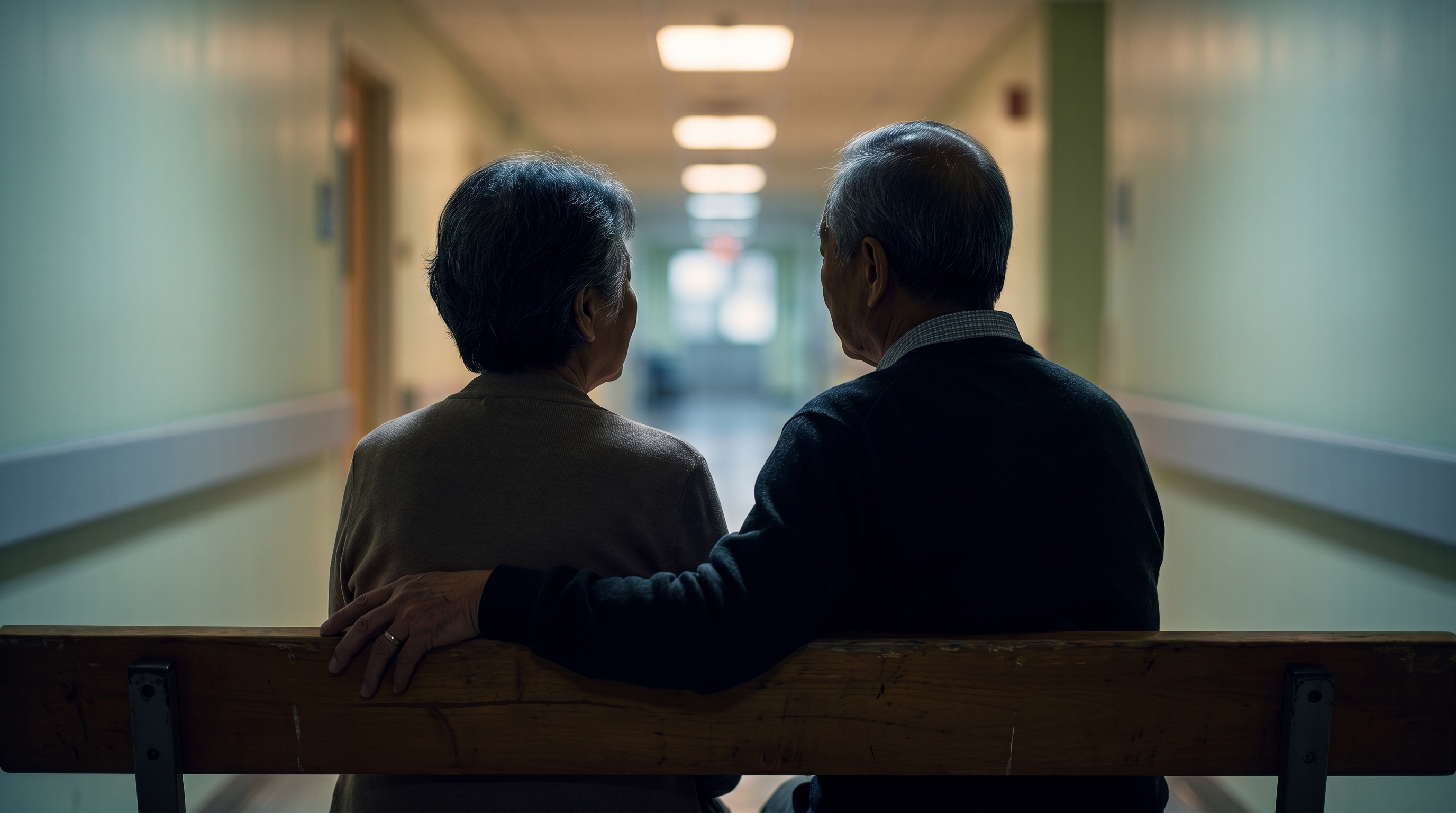
Resilience Can Be Learned
Hard times keep coming. What can change is how well you handle them.
Many of us grew up thinking resilience is a fixed trait, like eye color. Some people just have it. The research says otherwise. Resilience is a collection of habits, ways of thinking and sources of support that anyone can build, at any age. People are often told to stay strong when life knocks them down. Far fewer are shown how.
Training Your Thinking
Much of resilience comes down to how we read what happens to us and how we talk to ourselves about it. Cognitive behavioral therapy (CBT) teaches practical ways to catch unhelpful thoughts and test them. Instead of "I always mess things up," you learn to say, "This went badly, and here is what I can try next." A setback becomes a single event with a cause, not a verdict on who you are.
Mindfulness helps too. It means paying attention to what is happening right now, on purpose, without judging it. That small pause between what happens and how you react gives you room to choose your response instead of being pushed around by fear or anger. Like any skill, it gets easier with practice, even five minutes a day.
Letting Your Body Help
Resilience is physical as well as mental. Long-term stress keeps your body on high alert, which can disturb sleep, digestion, mood and immune function. Caring for your body gives your mind a steadier base to work from.
Slow breathing is one of the quickest tools you have. Longer out-breaths tell the nervous system it can calm down. Regular exercise is one of the best studied ways to handle stress and lift mood, and joining a gym or fitness studio or a martial arts school adds routine and community at the same time. Sleep and steady meals matter more than people expect. Some people also find body-focused therapies, such as somatic experiencing, helpful for stress that seems stuck, though research on them is still limited.
You cannot build a strong mind while running your body into the ground.
Leaning on Others
Nobody is meant to get through hard things alone. The American Psychological Association's guidance on resilience names caring, supportive relationships as one of its central building blocks. Friends, family and community hold us up when our own strength runs low.
Building that support takes effort. It means investing in relationships that go both ways and setting boundaries with people who drain you. It can mean joining a support group with others who know what you are facing. For many people, faith and a sense of purpose are a deep source of strength. A church, a faith recovery group or a pastoral coach can offer both meaning and people who show up.
Three Ways to Start This Week
Resilience grows through small, repeated actions. Try these:
- Talk back to your inner critic. When you catch yourself being harsh, ask: "Would I say this to a friend?" Then say what you would tell that friend.
- Learn your stress signals. Notice where stress lands first: clenched jaw, tight chest, quick breathing, raised shoulders. When you feel it, take one minute to breathe slowly or stretch.
- Feed one relationship. Pick one person who supports you. Call, text or set up coffee this week. Small, regular contact keeps connections strong.
Building resilience is ongoing practice, not a finish line. If stress or low mood is getting the better of you, a therapist or counselor can help you build these skills faster. Search Live Well Map to find one near you.
Find a Practitioner Who Gets It
Mental health is more than therapy. Find practitioners who understand the mind-body connection.
Search DirectoryAre You a Practitioner?
List your practice on Live Well Map and reach patients searching for whole-person care, across traditional, alternative, and progressive approaches.
List Your PracticeStay Connected
Get insights on holistic mental wellness delivered to your inbox.