
Yoga, Pilates or Dance: How to Pick the Class That Fits You
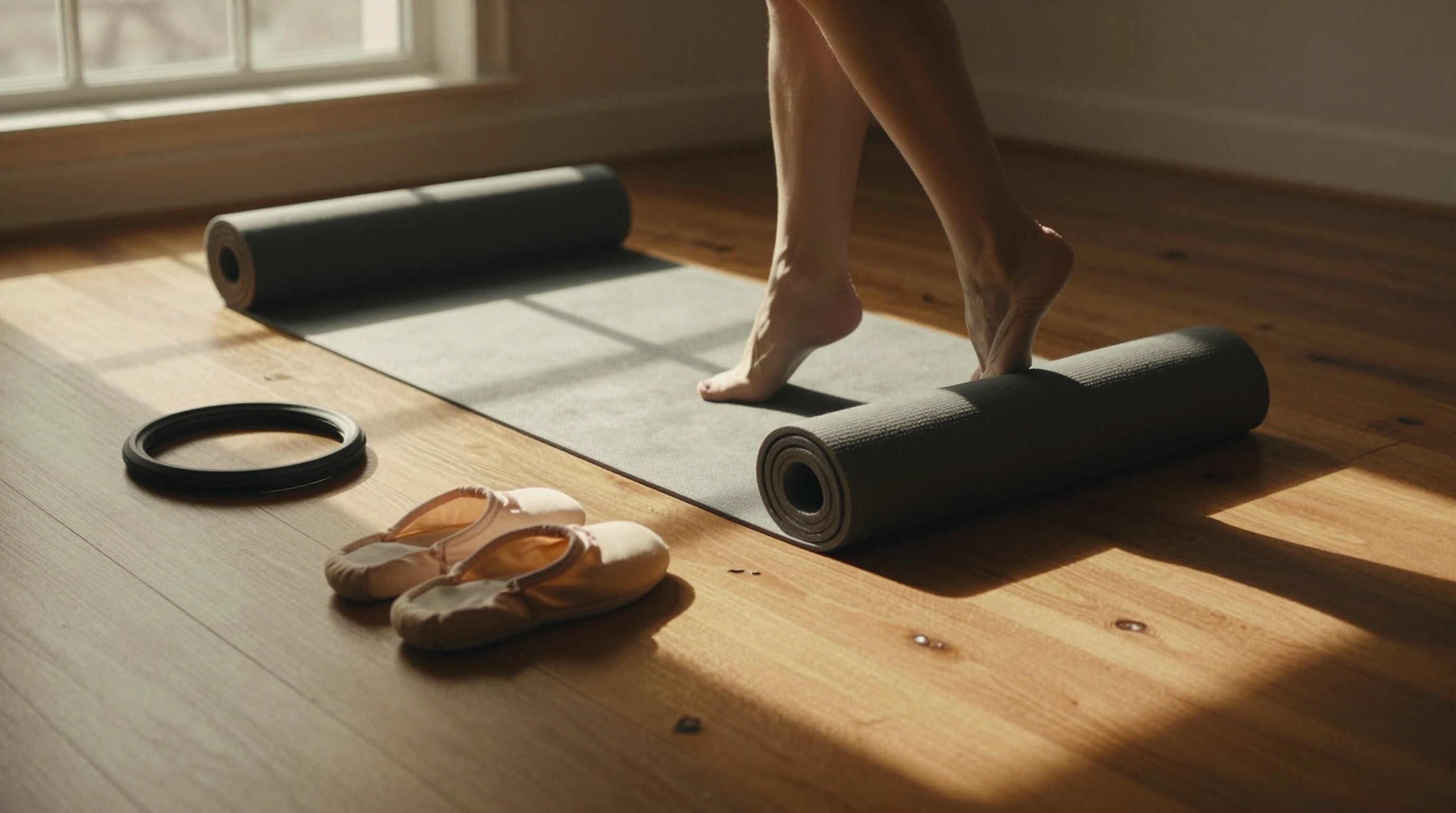
Three Ways to Move, One Body
You want to feel stronger, move with less stiffness, and maybe have a little fun doing it. Then you look at the class schedule at a local studio and see words like vinyasa, reformer, barre, hatha, contemporary and mat. It is easy to feel lost before you even sign up.
Yoga, pilates and dance have a lot in common. All three ask you to pay close attention to how your body moves. All three build strength, balance and flexibility. All three can be gentle or very demanding, depending on the class. The differences are in the goals, the pace and the feel of the room.
This guide explains what each one is really like, who tends to enjoy it, and how to pick a first class you will want to go back to.
Yoga: Breath, Strength and Stillness
Yoga began in ancient India as a spiritual and philosophical practice. Most classes in the U.S. today focus on physical postures, breathing and relaxation. Some studios include chanting or talk about the roots of the practice. Many do not. If that matters to you, ask before you go.
Common styles include:
- Hatha or gentle yoga. Slower, with time to learn each pose. A good place to start.
- Vinyasa or flow. Poses linked with the breath in a steady rhythm. More of a workout.
- Restorative or yin. Long, supported holds with blankets and blocks. Calm and quiet.
- Hot yoga. Practiced in a heated room. Not a good fit for everyone, especially people who are pregnant or have heart conditions.
The National Center for Complementary and Integrative Health, part of the NIH, notes that yoga may help with stress, sleep, balance and some kinds of back and neck pain. It also notes that yoga is generally safe when taught by a qualified teacher, and that people with certain health conditions may need to change or avoid some poses.
Yoga suits people who want to slow down, improve flexibility and balance, and leave class feeling calmer.
Pilates: Control From the Center
Pilates was developed in the early 1900s by Joseph Pilates, who called his method "Contrology." It focuses on the deep muscles of the trunk, often called the core, along with posture, breathing and smooth, controlled movement.
There are two main types of class:
- Mat pilates. Done on the floor, sometimes with small props such as a ball, band or ring. Usually less expensive and easy to find.
- Equipment pilates. Done on machines such as the reformer, a sliding carriage with springs that add or reduce resistance. Classes are smaller and cost more, but the springs can support you while you learn.
Pilates moves are often small and precise. You may not sweat much, yet you will feel muscles you did not know you had. Many physical therapists use pilates-based exercises in rehabilitation, and well-trained instructors are used to adapting moves for people with past injuries.
Pilates suits people who like structure and detail, want a stronger core and better posture, or are coming back from an injury with their doctor's or physical therapist's okay.
Dance: Rhythm, Joy and Heart
Dance classes for adults range from ballet and tap to salsa, swing, hip-hop, ballroom, line dancing and dance-based fitness classes. Some focus on learning real technique. Others are about moving to music and having a good time.
Dance is a real workout. Depending on the style, it can raise your heart rate as much as a brisk walk or a jog. It also asks your brain to work: remembering steps, keeping time with the music and moving with a partner. Researchers have studied dance for older adults, and several reviews have found it can help with balance and with walking ability. Social dance has an extra benefit too. You meet people, and you often get to know them over months of weekly classes.
Dance suits people who love music, enjoy learning skills, want a social activity, or get bored doing the same exercise over and over.
How to Choose the Right First Class
Start with what you want most. Then match it to the class.
- If you want to feel calmer and more flexible, try a gentle, beginner or restorative yoga class.
- If you want a stronger core and better posture, try a beginner mat pilates class or an intro reformer session.
- If you want fun, music and new friends, try a beginner social dance or dance fitness class.
- If you are recovering from an injury, ask your doctor or physical therapist first, then look for a private session or a small class with a highly trained instructor.
- If you want a little of everything, barre classes mix ballet-style moves, pilates-style core work and light weights.
Most important of all: choose a class at a time and place you can keep. A good class you attend every week will do more for you than a perfect class you go to once.
What to Ask a Studio Before You Go
A quick call or email can save you a lot of stress. Ask:
- "Which class do you recommend for a true beginner?" Studios know which teachers are best with new students.
- "What training do your teachers have?" Yoga teachers often hold a 200-hour or 500-hour training certificate. Pilates instructors may hold certificates from a training school, and some are certified by the National Pilates Certification Program. Dance teachers may have performance or teaching backgrounds. Ask how they adapt for injuries.
- "How big are the classes?" Smaller classes mean more help with form.
- "What should I wear and bring?" Some studios provide mats and props. Some dance classes need special shoes. Many pilates studios ask for grip socks.
- "Do you offer a free or discounted first class?" Many do, and some offer a beginner series that teaches the basics over a few weeks.
- "What is your cancellation and membership policy?" Know this before you buy a package or monthly plan.
Staying Safe While You Learn
Yoga, pilates and dance are low risk for most people. Injuries usually happen when people push too far, too fast. A few habits help:
- Tell the teacher about injuries, surgeries or pregnancy before class starts.
- Move within a comfortable range. A stretch should feel like a stretch, not a sharp pain.
- Skip or change any move that hurts. Good teachers will offer another option.
- Drink water, especially in heated or fast-paced classes.
- If you have high blood pressure, glaucoma, osteoporosis, a heart condition or recent surgery, ask your doctor which moves to avoid. Some poses, such as deep twists or upside-down positions, may not be right for everyone.
What Your First Class Will Be Like
Knowing what to expect can take away a lot of the nerves. Here is what a typical beginner class looks like in each style.
A beginner yoga class usually lasts 45 to 75 minutes. You will start by sitting or lying on a mat while the teacher guides your breathing. Then you will move through standing poses, gentle balances and floor stretches. Most classes end with a few minutes of quiet rest lying on your back. The teacher may walk around and offer small adjustments. Some teachers use hands-on help, and good ones will ask first. You can always say no.
A beginner pilates mat class usually lasts 45 to 60 minutes. Much of it happens lying on your back or side, with slow, controlled moves for the core, hips and shoulders. Expect to hear cues about breathing and keeping your spine in a certain position. If you try a reformer class, the instructor will show you how to adjust the springs, straps and footbar before you start. Ask them to explain anything that is unclear.
A beginner dance class usually starts with a warm-up, then teaches a few steps slowly, adds music, and puts the steps together into a short routine or pattern. In partner dance, many classes rotate partners so everyone dances with everyone. You do not need to bring a partner. Expect to make mistakes and laugh. Everyone does.
Making It a Habit
Starting is one thing. Keeping it going is another. A few ideas help people stick with a movement practice:
- Book in advance. Many studios let you reserve a spot. A booked class is harder to skip.
- Find your teacher. Most people have a teacher whose style they love. Once you find yours, follow their schedule.
- Go with a friend. You will keep each other accountable.
- Mix it up. Many people enjoy combining styles, such as pilates for strength and yoga for flexibility, or dance for fun on the weekend.
- Practice a little at home. Ten minutes of stretching or a few steps in the kitchen keep your body moving between classes.
- Notice how you feel. Pay attention to sleep, mood and energy over the weeks. Those small changes are often what keeps people coming back.
What You Can Do Today
You can be on a mat or a dance floor this week. Here is how to start:
- Pick one goal. Calm, strength, balance, fun or friends. Let that guide your first choice.
- Find two studios near you. Look for beginner or intro classes on the schedule.
- Call or email with your questions. Use the list above, and mention any injuries.
- Book one class and put it on your calendar. Treat it like an appointment.
- Arrive ten minutes early. Introduce yourself to the teacher and pick a spot where you can see clearly.
- Try at least three classes before you decide. The first one is always the hardest.
There is no wrong choice here. Yoga, pilates and dance all help your body and mind. The best one is the one that makes you want to come back next week.
To see what is close to you, browse yoga, pilates and dance studios on Live Well Map or search the directory by your city or zip code.
This article is for informational and educational purposes only and does not constitute medical advice. Check with your doctor before starting a new exercise program, especially if you have a health condition or are pregnant.
Find a Studio Near You
Browse yoga, pilates and dance studios in your area and look for a beginner class or a free first visit.
Search StudiosAre You a Practitioner?
List your practice on Live Well Map and reach patients searching for whole-person care, across traditional, alternative, and progressive approaches.
List Your PracticeStay Connected
Get insights on holistic mental wellness delivered to your inbox.